Post-Surfside: What Changed in Florida Building Inspection and What Boards Still Get Wrong
No. Slip resistance is one input. A sound opinion reads it alongside the surface condition, any contaminant, footwear, lighting, and maintenance history.

The Short Version
On June 24, 2021, part of Champlain Towers South, a 12-story condominium in Surfside, collapsed, and 98 people lost their lives. In the five years since, the National Institute of Standards and Technology has investigated why, and Florida has rewritten how condominium and cooperative buildings are inspected and funded. The Surfside condo collapse law changes began with SB 4-D in 2022, were revised by SB 154 in 2023, and were revised again by HB 913 in 2025.
This guide sets out what NIST has found so far, what the law now requires, and where boards still run into trouble. It keeps to what NIST and the statutes actually say. The investigation's final report and formal recommendations are still being written, so anything beyond the released findings would be speculation, and this is not a subject for that. For the inspections themselves, see our
milestone inspections page.
What NIST Found
On June 22, 2026, NIST's National Construction Safety Team
released its technical findings. The team concluded that the collapse began in early June 2021, when two connections between garage columns and the pool deck slab failed. Over the next three weeks, cracks grew and loads shifted in the pool deck to neighboring slab-column connections that were not strong enough to carry them, which led to the collapse on June 24.
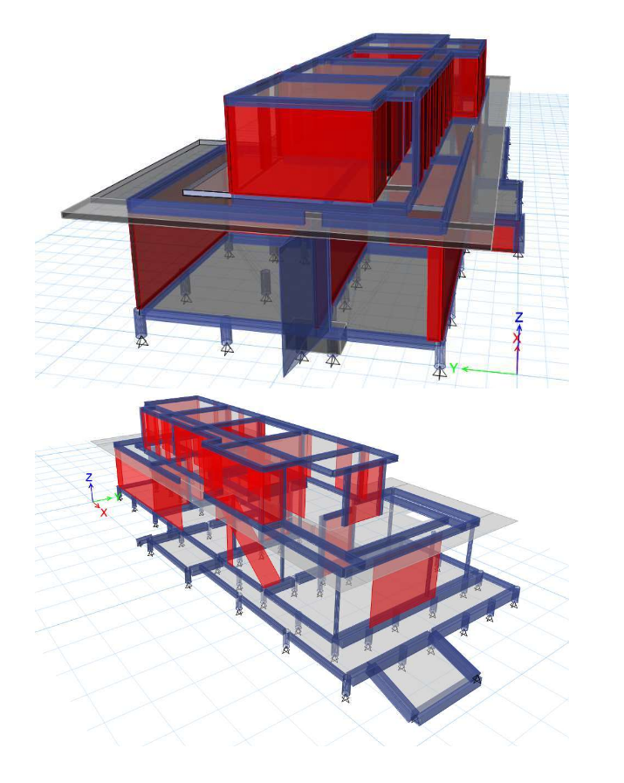
NIST describes the failure at those connections as punching shear, in which the slab bends and cracks around a supporting column until the connection fails. On the day of the collapse, in the scenario the team considers most likely, the failure spread through the pool deck and the street-level parking structure, the pool deck slab broke away from the face of the tower, and the damage that caused to two connections supporting the tower allowed the failure to progress through its middle and east sections.
The team attributed the building's vulnerability to margins against failure that, in the words of co-lead Judith Mitrani-Reiser, were too narrow from the start. NIST identified these contributors.
- Severe and widespread deviations in the original structural design from the codes and standards of the time, along with some limitations in those codes and standards.
- Deviations in the building's construction from its design drawings.
- Loads added to the structure over its lifetime, including pool deck modifications.
- Long-term degradation from corrosion.
NIST also listed factors the investigation ruled out as contributors: vibrations from nearby construction; foundation failure, sinkholes or settling; hurricane and storm surge effects; impulsive loads such as a dropped weight or an explosion; and accidental overloads from the roof project underway at the time.
What NIST Has Not Yet Said
The June 2026 release is the technical conclusion of the investigation, not its end. NIST says the team is now writing its final report, which will include the full evidence analysis, test results and computer modeling behind the findings, along with recommendations for changes to standards, codes and practices and any further research needed. Until that report is published, the recommendations are not known, and no one should present a guess about them as fact. Owners, boards and engineers should expect the final report to inform the next round of code and practice changes.
What Changed in Florida Law
Florida did not wait for the federal findings. Three laws built the current system, and our
timeline of Florida's condo safety laws walks through each one in detail. In summary:
- SB 4-D, passed in a May 2022 special session, created the statewide milestone inspection program in Fla. Stat. 553.899 and the structural integrity reserve study requirement for condominium associations.
- SB 154, in 2023, revised the program: it let local enforcement agencies accept earlier inspections that substantially comply, allowed inspections by a team of design professionals with an engineer or architect in responsible charge, required notice to unit owners, and directed the Florida Building Commission to set up a building safety program in the Florida Building Code.
- HB 913, in 2025, applied the milestone and SIRS requirements to buildings three habitable stories or more in height, and required engineers, architects and contractors bidding on milestone inspections or SIRS to disclose in writing any intent to bid on the resulting repair work, with undisclosed conflicts making the contract voidable.
The structural integrity reserve study is the funding side of the same system. It requires associations to plan, and fund, the repair and replacement of the building's structural and life-safety components rather than deferring them indefinitely.
What Changed in Inspection Practice
The milestone law turned what had been a patchwork of local recertification programs into a statewide requirement. Under Fla. Stat. 553.899, a covered condominium or cooperative building must have a milestone inspection by December 31 of the year it reaches 30 years from its certificate of occupancy, and every 10 years after, and local agencies may set an earlier first inspection where local conditions warrant it. Miami-Dade and Broward already had their own recertification programs, which continue alongside the state law.
Phase 1 is a visual examination by a licensed engineer or architect of habitable and nonhabitable areas, including the major structural components, with a qualitative assessment of their condition. If it finds substantial structural deterioration, Phase 2 must follow, and it may involve destructive or nondestructive testing. The engineer submits a sealed report with a summary of the material findings, and if proof that repairs have been scheduled or started is not provided in time, the local building official must decide whether the building is unsafe for occupancy. Our guide to Phase 1 and Phase 2 explains each step.
What Boards Still Get Wrong
Most associations now comply with the deadlines. The problems we see are in how the inspection and the repairs are handled, and they repeat from building to building.
- Treating Phase 1 as a formality to be completed as cheaply as possible, rather than as the one time a licensed professional looks at the whole structure.
- Limiting access, so garages, plaza and pool decks, mechanical rooms and other nonhabitable areas get less attention than lobbies and hallways, even though the statute covers them.
- Adding weight without engineering review: planters, pavers, new pool finishes, rooftop equipment or deck changes that increase load on slabs never designed for it.
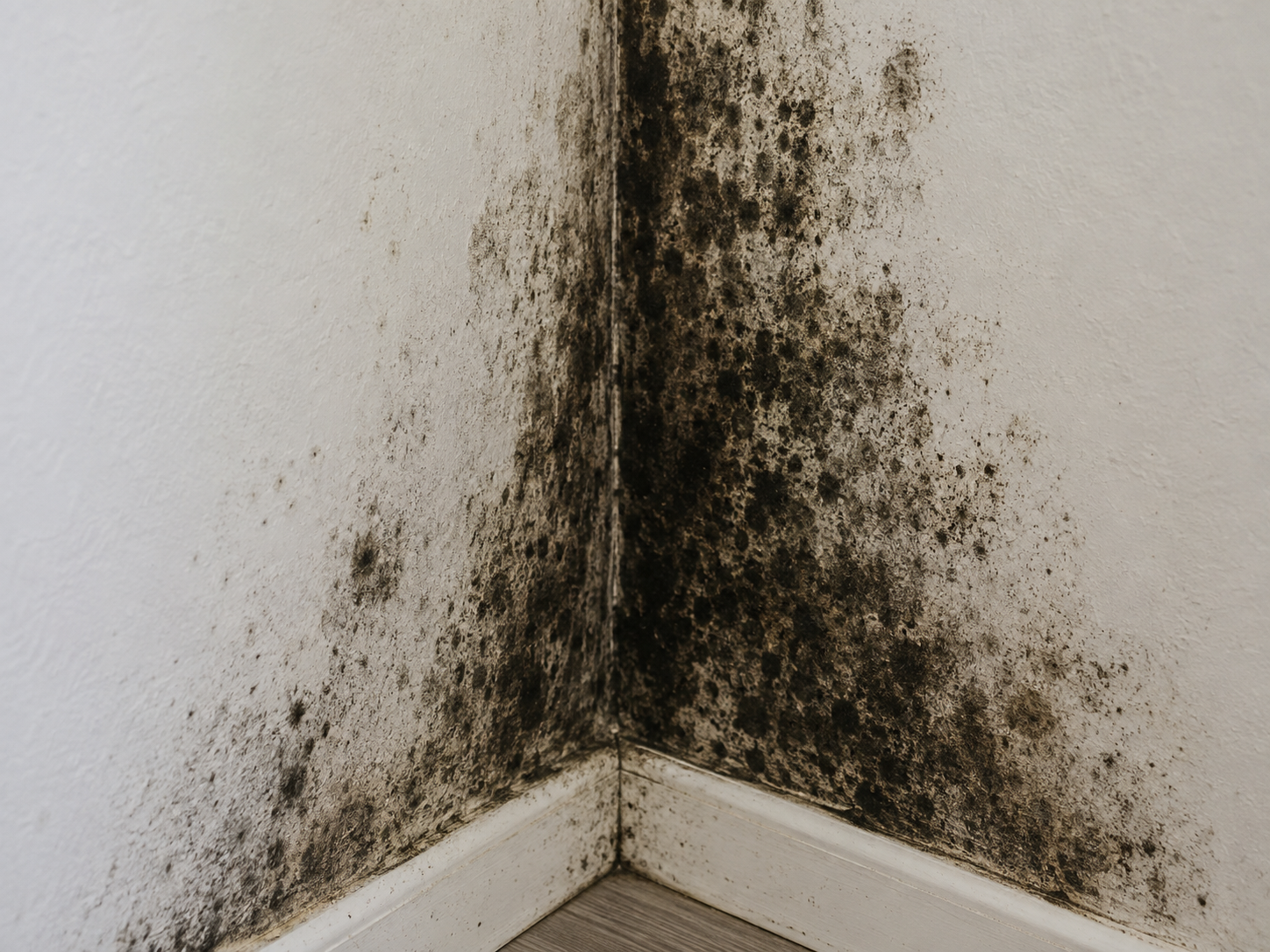
- Patching and painting over cracks, spalls and rust stains between inspections, which hides the evidence the next inspector needs.
- Waiting after a Phase 2 report, when the repair clock and the building official's review have already started.
- Losing the building's records. Original drawings, earlier inspection reports and repair documents make every future inspection more accurate.
- Hiring on price without asking about conflicts, when HB 913 now requires written disclosure of any intent to bid on the repairs.
Why Garages and Plaza Decks Deserve Attention
NIST located the start of the collapse at slab-column connections in the garage beneath the pool deck, not in the residential tower. That is a finding about one building, and it should not be stretched into claims about others. It does underline, in engineering terms, why the elements under and around a building deserve the same attention as the tower itself.
Garage slabs and plaza or pool decks are often exposed to water from above, depend on waterproofing and drainage that wear out, and are where owners are most likely to add weight over time. Flat slab construction carries load through the connection between slab and column, so cracking, corrosion or leaking around those connections is something an inspector should record and, where it is significant, investigate further. On coastal buildings the corrosion side of that picture is the same one we describe in our
guide to concrete spalling and rebar corrosion.
How M&P Consulting Engineers Approaches Milestone Inspections
Jonnatan R. Mendez, PE, SI, has more than 20 years of structural engineering, condition assessment and repair experience in South Florida, and he is a Florida Threshold Building Special Inspector. Every milestone inspection we perform is led by a licensed engineer who examines the whole structure the statute covers, including garages, decks and other nonhabitable areas.
When Phase 2 is needed, we measure rather than estimate: sounding, cover and section-loss measurements, and correlation with the original drawings where they exist, so the association can separate cosmetic distress from conditions that affect the structure and plan its repairs and reserves from real quantities. We work with boards and managers across South Florida, including Miami-Dade and
Broward
buildings subject to both the state milestone law and county recertification. For boards new to these requirements, our
plain-English guide to Florida condo inspection law is a good place to start, and when a building element has already failed, our
forensic engineering practice investigates the cause.
Common Questions About Florida Building Inspection After Surfside
Did NIST find that a hurricane or the ground caused the collapse?
No. NIST listed hurricane and storm surge effects, and foundation failure, sinkholes or settling, among the factors its investigation ruled out as contributing to the collapse.
Is the NIST investigation finished?
Its technical findings were released on June 22, 2026. The team is writing the final report, which will include the supporting analysis and formal recommendations for changes to codes, standards and practices.
Does my building need a milestone inspection?
It applies to condominium and cooperative buildings three habitable stories or more in height, by December 31 of the year the building reaches 30 years, then every 10 years. Some local agencies require the first inspection earlier, so check with yours.
What happens if Phase 1 finds substantial structural deterioration?
A Phase 2 inspection must follow, which may include testing. The engineer's report sets out the repairs, and the association must show the local building official that repairs have been scheduled or started within the statutory timeframe.
Will the law change again after NIST's final report?
It may. NIST has said the final report will include recommendations for codes, standards and practices. Whether Florida adopts any of them is a decision for the Legislature and the Florida Building Commission.
Planning Your Building's Milestone Inspection?
M&P Consulting Engineers performs Phase 1 and Phase 2 milestone inspections and structural assessments for condominium and cooperative associations across South Florida. Call 866-531-7621 to talk directly with the engineer who will inspect your building.
Sources
National Institute of Standards and Technology, "NIST Releases Technical Findings on What Caused the 2021 Partial Collapse of Champlain Towers South," 22 June 2026, updated 26 August 2026.
Fla. Stat. 553.899, Mandatory structural inspections for condominium and cooperative buildings, Florida Legislature. Checked 25 September 2026.
The Florida Senate, bill summaries: CS/CS/SB 154 (2023), Condominium and Cooperative Associations, and CS/CS/HB 913 (2025).
SB 4-D (2022 Special Session D), Chapter 2022-269, Laws of Florida.
Recent Posts