
Milestone Inspections in Key Biscayne, FL
Condominium and cooperative buildings three habitable stories or more on Key Biscayne owe a milestone inspection at 30 years under Fla. Stat. 553.899, and the local building official can require it at 25 years where proximity to salt water justifies it. Every qualifying building on the island also falls under Miami-Dade County's separate recertification program. We handle both phases for island associations, from the Crandon Boulevard high-rise corridor to the village center. Call 866-531-7621 to schedule.
Key Biscayne Milestone Inspections: The 30 Year and 25 Year Clocks
Fla. Stat. 553.899
sets the first milestone inspection at 30 years from the certificate of occupancy for a condominium or cooperative of three habitable stories or more, then every 10 years after.
The statute also lets the local enforcement agency require the inspection at 25 years where local circumstances, including proximity to salt water, call for it. On an island that is a real possibility, so we confirm the date your building actually owes against the village's notice instead of assuming a clock.
Associations here often discover the deadline late, after a management change or a lender request. The inspection itself is not the hard part; getting a licensed engineer on the calendar and the report filed before the village's date is.
Expert Witness
Milestone Inspections
Litigation support, forensic reports and courtroom testimony for insurers, attorneys and property owners.
Premises Liability
06
10-, 30- and 40-year recertifications, threshold inspections and structural condition assessments.
Services
05
Slip, trip and fall evaluations and site-condition analysis for insurers and litigation counsel.
04

Miami-Dade's Building Recertification: The Second Requirement
There is a second, county-level requirement on top of the state law. Miami-Dade County
recertification runs on its own schedule and is not limited to condominiums and cooperatives. See our Miami-Dade recertification page
for that requirement. Most island associations owe both filings, on different clocks. We handle them together so the same engineer is not documenting the same building twice.
What Phase 1 Looks For
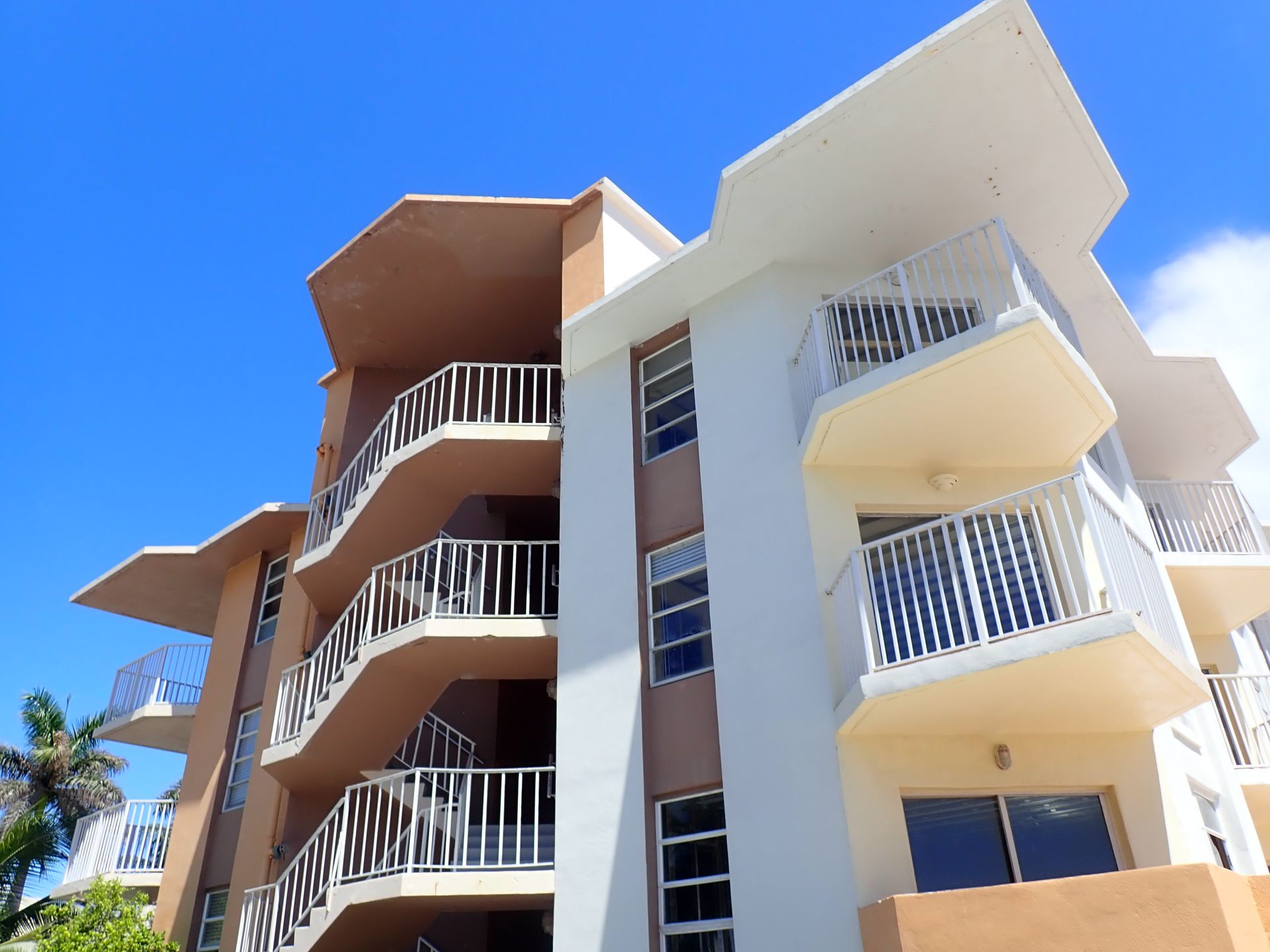
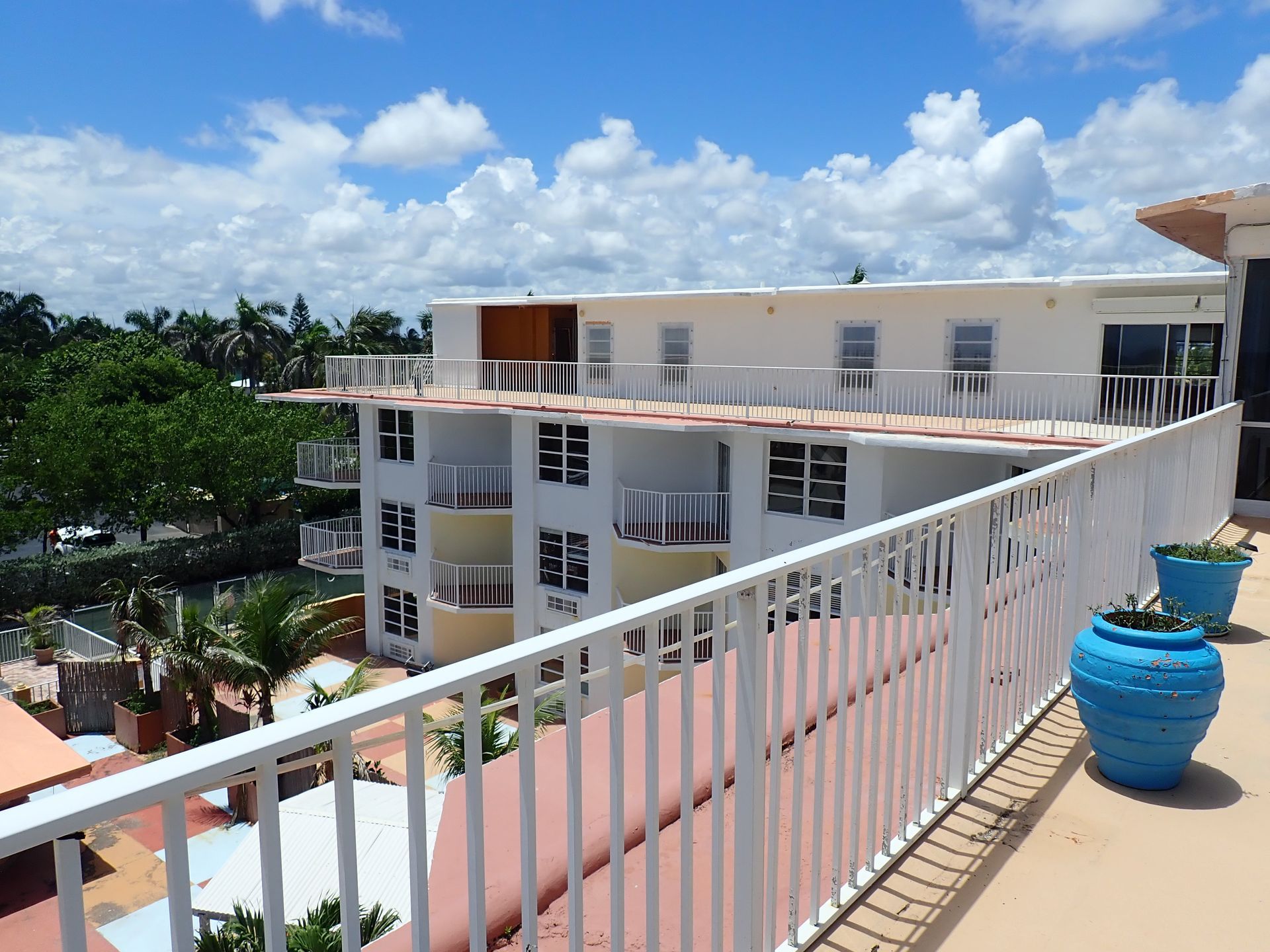
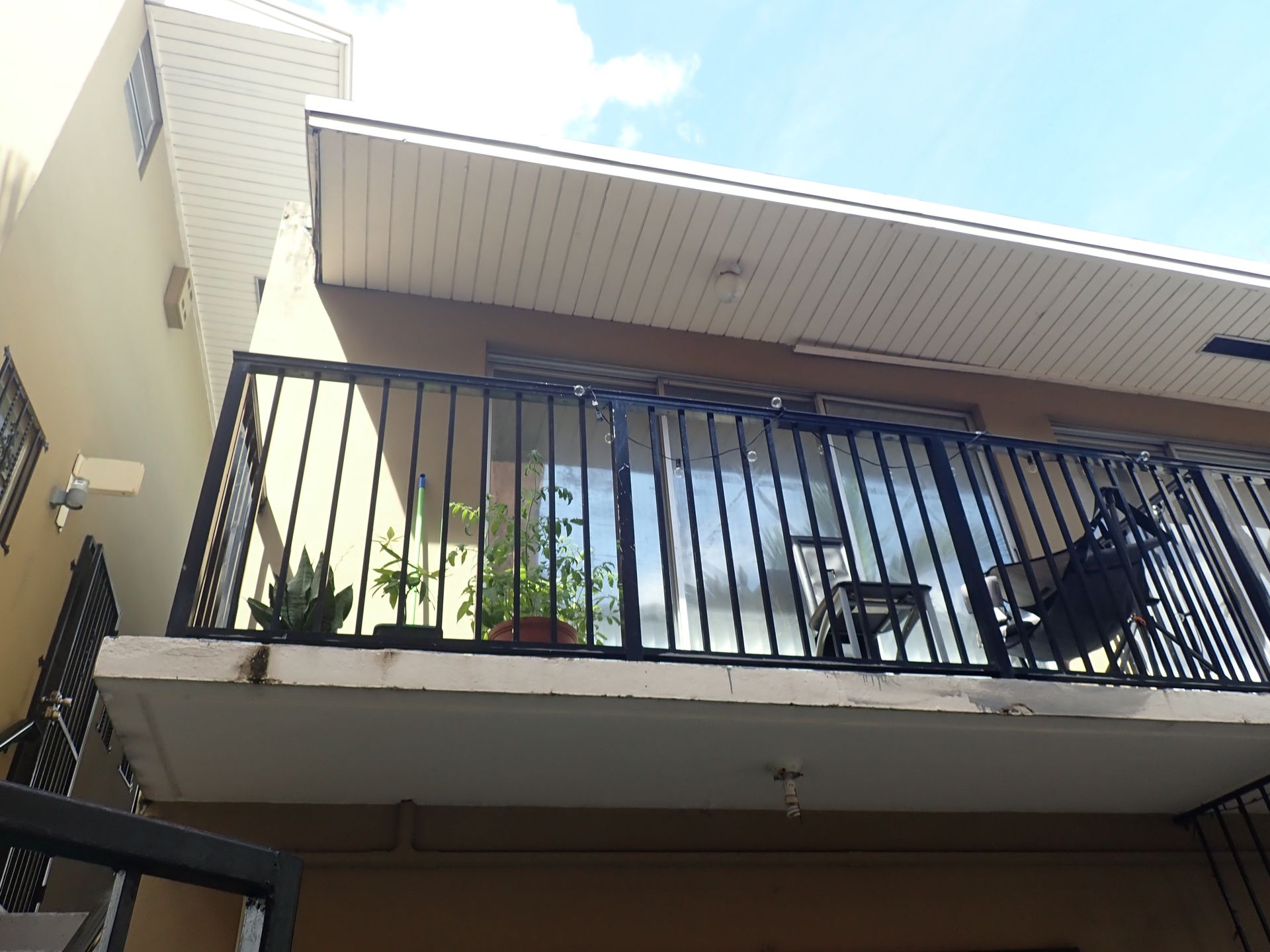
Phase 1 is visual. We walk the habitable and nonhabitable areas and look at the parts that carry the building: foundation, load-bearing walls, columns, beams, floor and roof framing, balconies, walkways and railings.
If we find no substantial structural deterioration, that is the entire inspection. No further steps, and the report goes to the village building official.
We photograph and locate every finding, so a board reading the report can see what we saw rather than take a conclusion on faith. That record also becomes the baseline for the next inspection cycle.
Why Island Buildings Need a Closer Look
Where Phase 1 turns up substantial deterioration, Phase 2 picks it up with closer testing and written repair recommendations, ranked so a board knows what comes first.
Salt air moves concrete spalling and rebar corrosion along faster on a barrier island than inland, and it surfaces first at balcony edges, railing embeds, walkway slabs and parking structures. Early detection is the whole point of the inspection.
Caught early, most of it is repair. Left alone, the same deterioration reaches the reinforcing steel and the post-tensioned or reinforced members behind it, and the cost moves by an order of magnitude.
Serving Key Biscayne and the Barrier Islands
We inspect throughout Key Biscayne, along Crandon Boulevard, Ocean Drive and the village center, and across the neighboring barrier island communities. Coverage continues north to Miami Beach and Sunny Isles Beach.
2023 — 2026
2019 — 2023
Common Questions About Milestone Inspections in Key Biscayne
Is my Key Biscayne building on a 25 year or a 30 year clock?
The statute sets 30 years. Fla. Stat. 553.899 lets the local building official require 25 instead where proximity to salt water justifies it, so we confirm your date against the village's notice and the county's records before scheduling anything.
Does this replace the county recertification?
No. They are two filings on two schedules, and most island buildings owe both once they hit their triggers. We can run them together.
What happens if Phase 1 finds a problem?
Phase 2 follows, with closer testing and documented repair recommendations. Phase 1 findings alone do not condemn a building; they define what Phase 2 has to look at.
Who receives the milestone inspection report?
The association and the local building official. We prepare it sealed by a Florida licensed Professional Engineer so it is accepted as filed.
Premises Liability
Slip, trip and fall evaluations and walking-surface analysis.
Related Engineering Services
Milestone Inspections
Recertification inspections where moisture damage is often first found.
Structural Design & Analysis
Structural repair, restoration, rehabilitation, and retrofit design for existing buildings and identified structural deficiencies.
Forensic Engineering
Independent investigation and engineering analysis of structural distress, deterioration, construction defects, and other conditions requiring evaluation of cause, extent, and contributing factors.
Ready to Schedule Your Key Biscayne Milestone Inspection?
Call 866-531-7621 or request a quote below.